Our impact
What we measure, we mend.
Every figure below represents a household, a girl, a spring, a river — woven into a fabric of resilience that we keep weaving.
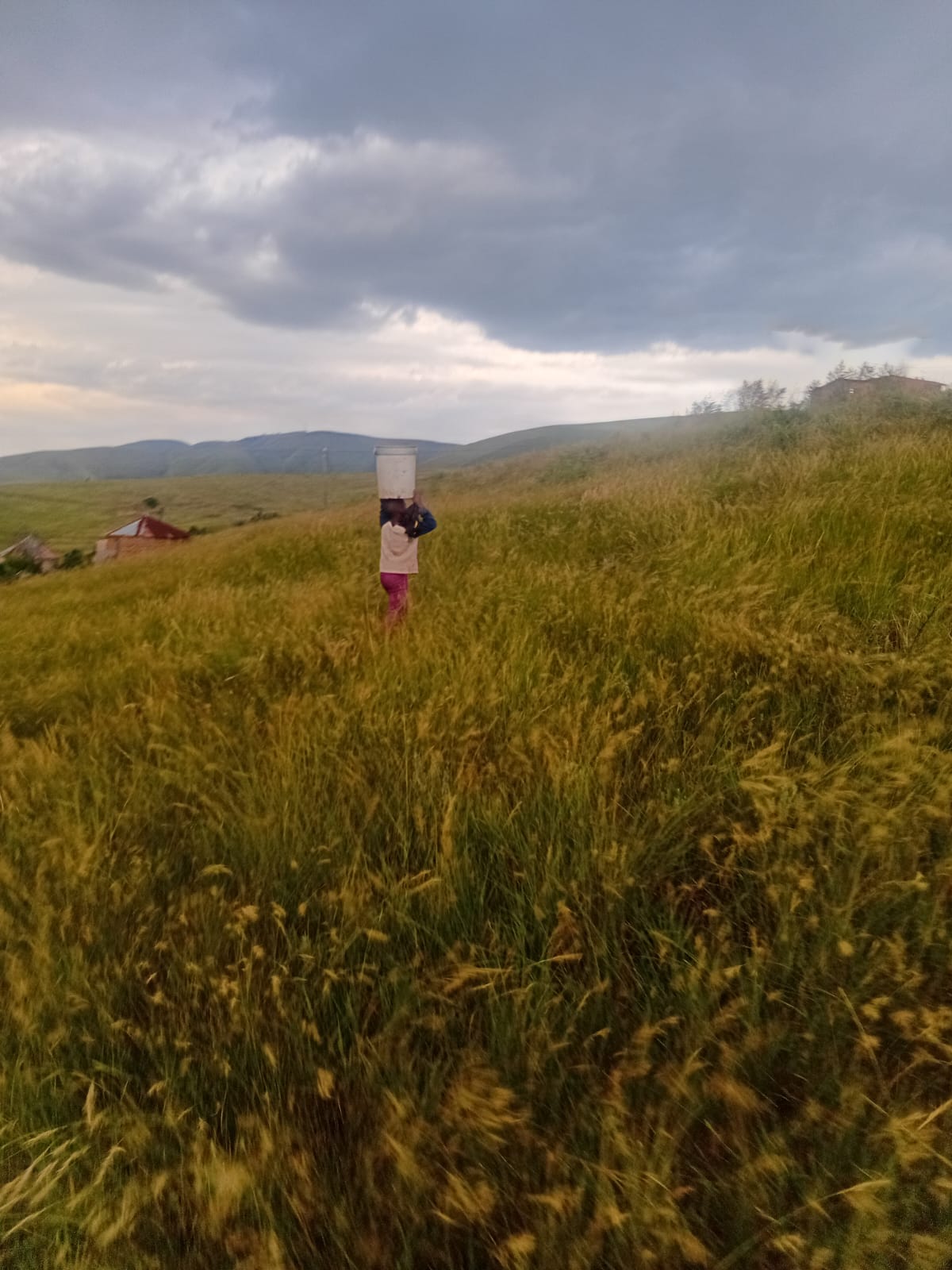
A girl walks through the long grass with water
Progress at a glance
Our work, in arcs of progress.
Each circle below tracks a measurable commitment against a milestone goal. The space yet to fill is the work still ahead — and the reason your support matters.
River clean-ups conducted
Community members benefitted
Water scientists trained
Springs in hydrocensus
Water quality tests
Community engagements
Women-led leadership
Villages served
Field works delivered
Tangible interventions in the watershed.
Spring diversions
Re-routed for safer collection
River renovations
River-safety & eco-education signs
Active community volunteers
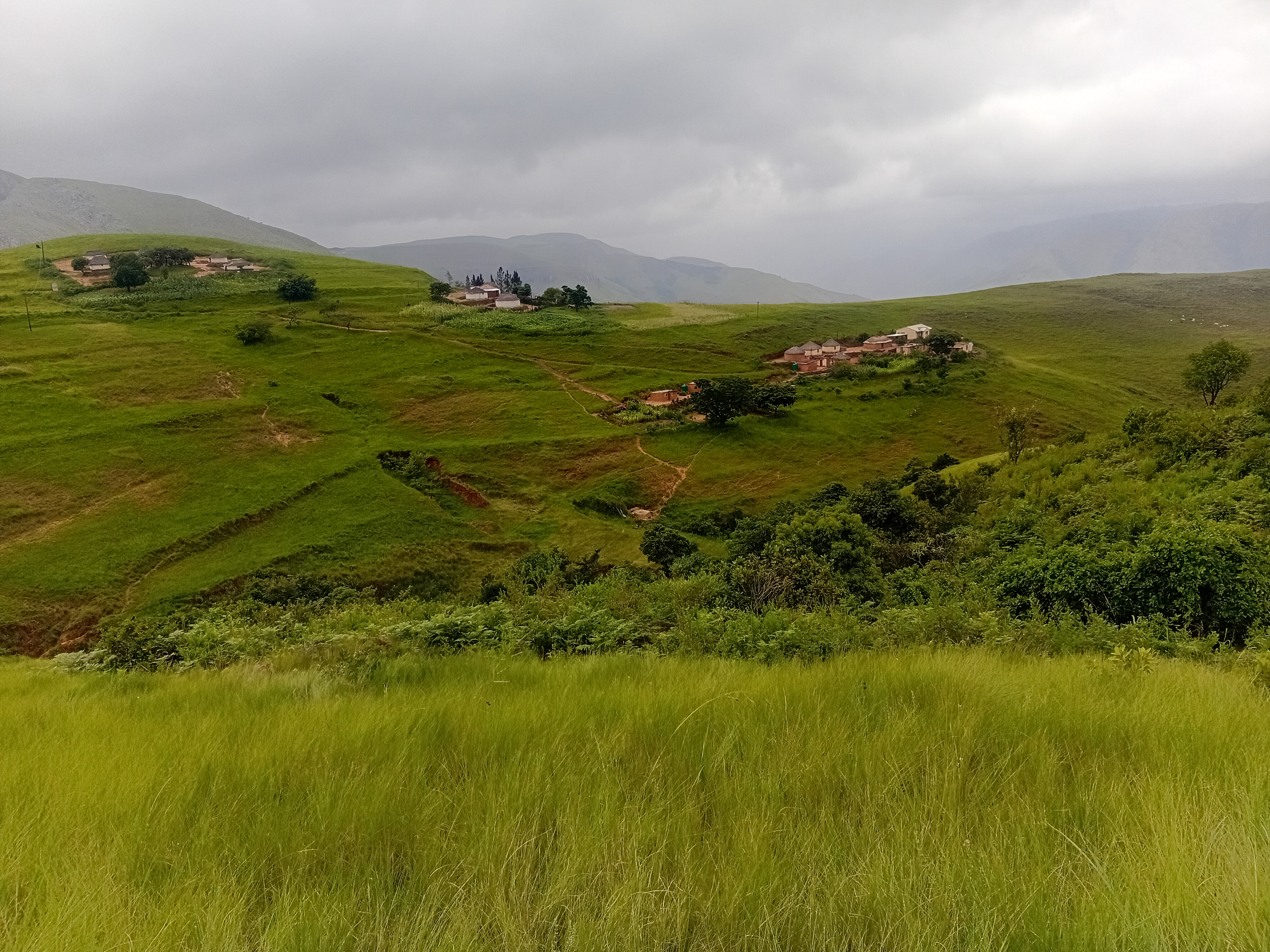
Hydrocensus 2024–2025
Thirteen springs, mapped & remembered.
The hydrocensus is more than a register. It is a living document of place — recording which springs flow year-round, which are seasonal, where the cattle drink, where the women collect, and where the children must never go alone.
From this groundwork, we have completed four spring diversions, four river renovations, and erected four eco-education and safety signs at the most-used water-collection points.
AGM Report · 2025–2026
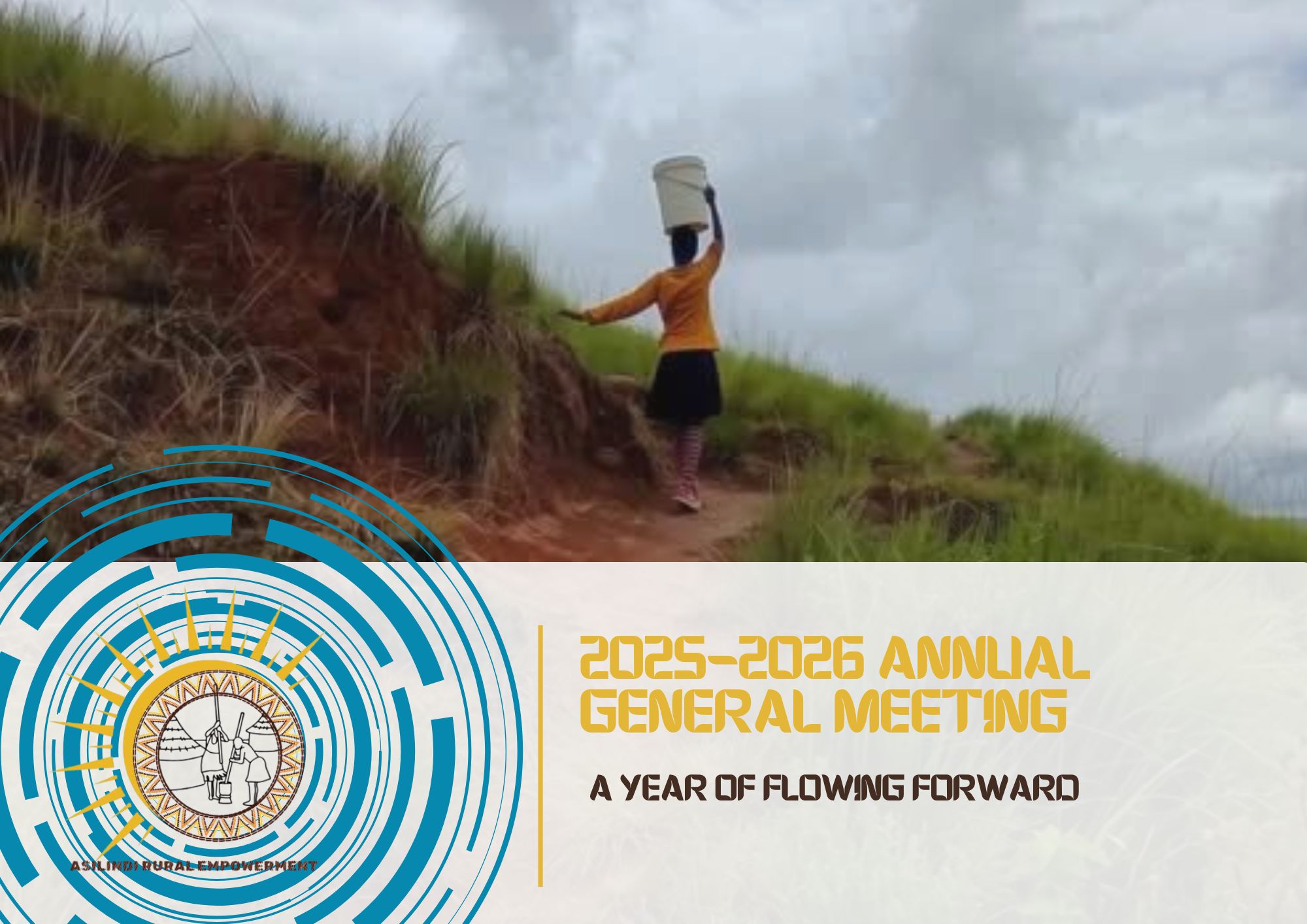
A Year of Flowing Forward.
Our 2025–2026 Annual General Meeting Report is a full account of the year: the springs we have mapped, the communities we have walked alongside, the funds received and directed, and the road still ahead. Transparent, thorough, and written for the people who make our work possible.
Why this work matters
"Where water flows, equality grows — and where a girl-child no longer fears the walk to the river, an entire generation breathes differently."
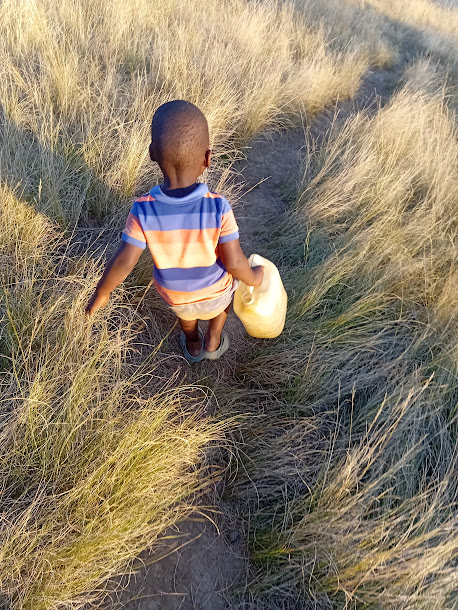
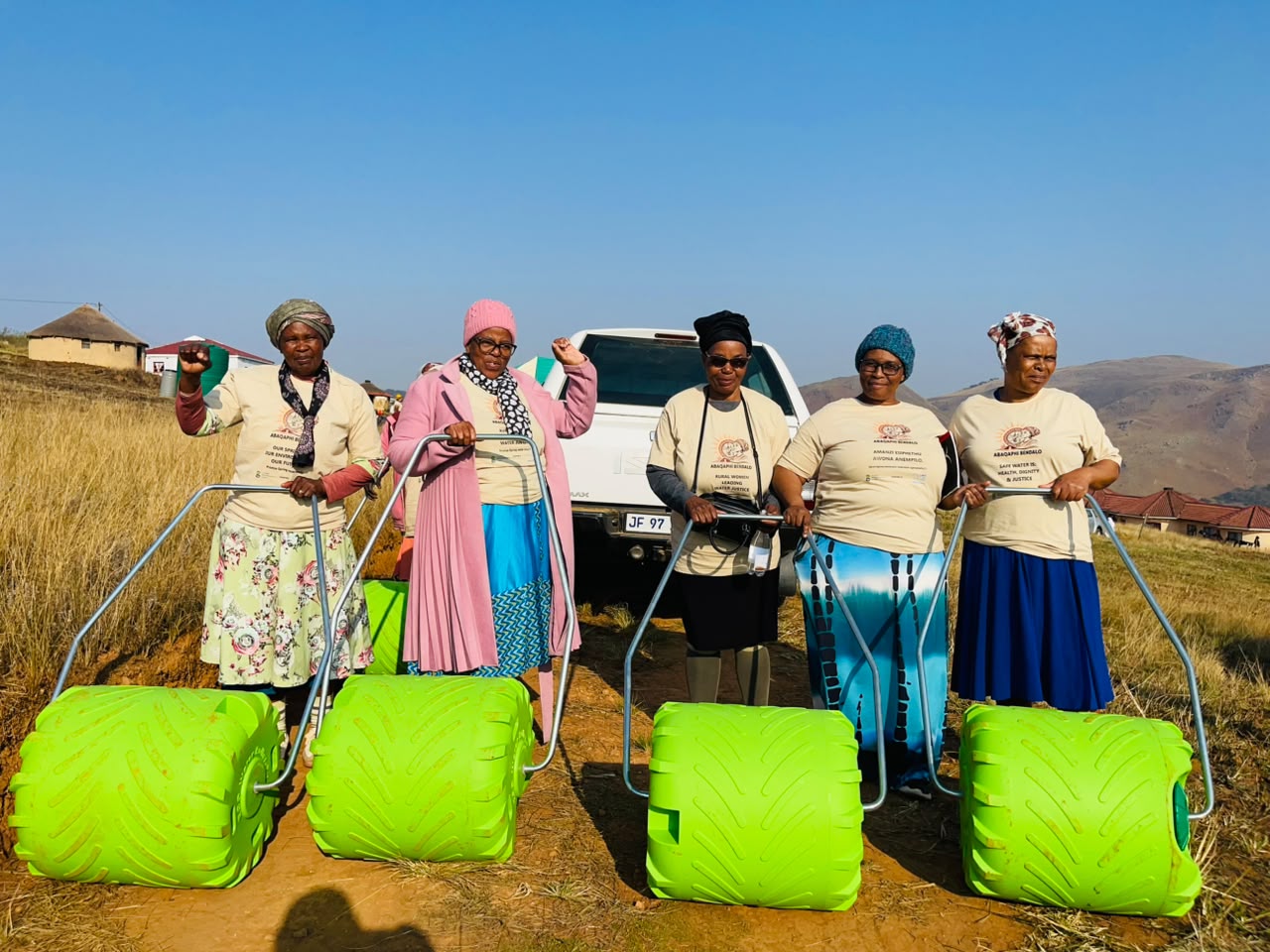
At Asilindi Rural Empowerment, we see climate change not only in changing weather patterns, but in the everyday lives of rural families. It is felt in the longer distances women and girls walk for water, the springs that run lower, the heavier burden of finding enough for a household, and the hours lost to a task that is simply about survival.
For many rural women and children, water collection takes time away from school, paid work, caregiving, rest, skills development and opportunities for personal growth. This is why our work goes beyond repairing springs. We protect and restore natural water sources, improve safer access, strengthen water quality monitoring, and place practical tools, technical skills and leadership opportunities in the hands of the people who carry the greatest burden.
By reducing the time and physical strain of water collection, we help create space for women and young people to learn, earn, lead and build more secure futures.
For Asilindi, restoring a spring is not a once-off project. It is a long-term relationship between people, water and the environment — protected, monitored and cared for season after season, so that rural communities can move from surviving water insecurity to building resilience and dignity.
Strengthen this work